Introduction
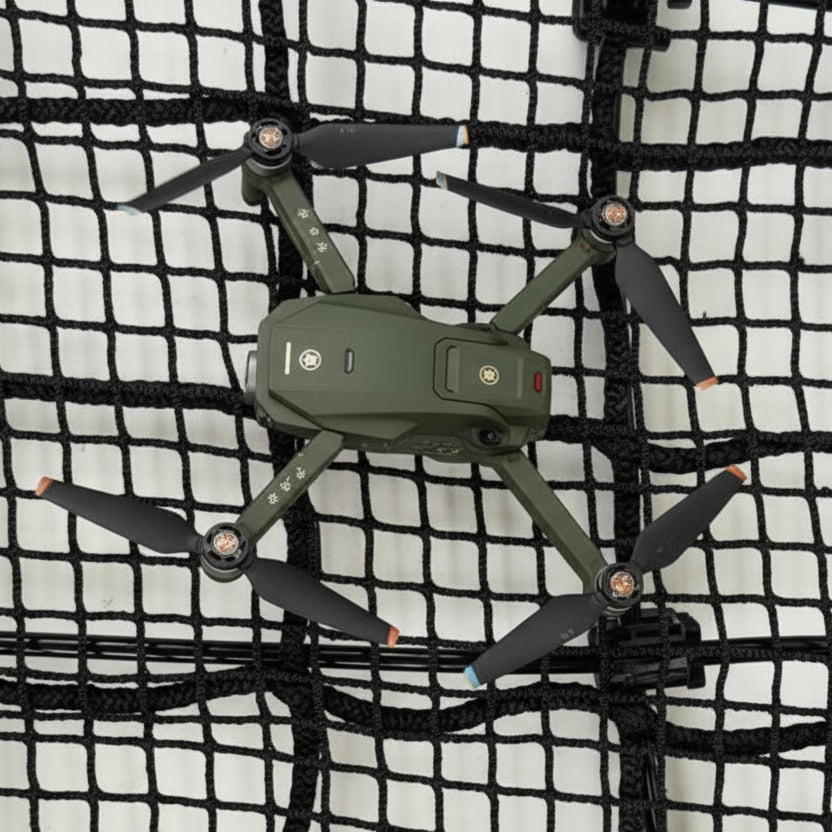
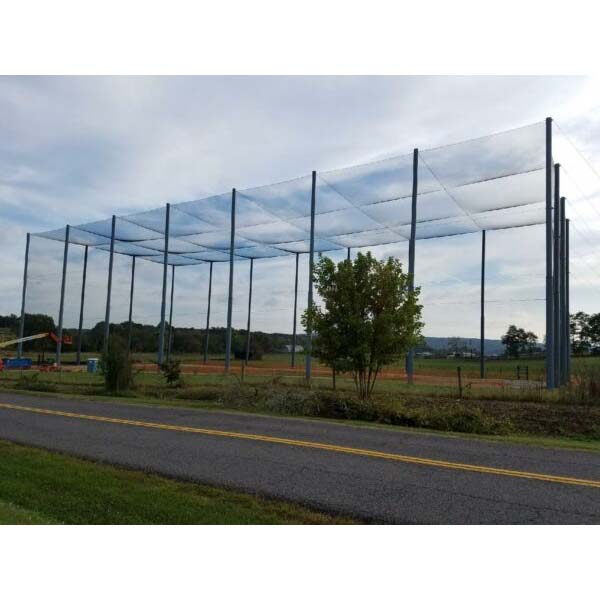
Choosing the right material for your anti-drone net is one of the most critical decisions in any drone defense deployment. The three dominant options — aramid fiber, steel wire, and HDPE (high-density polyethylene) — each offer distinct advantages and trade-offs in strength, weight, cost, and environmental resistance. This aramid vs steel anti-drone net comparison examines all three materials head-to-head, helping you understand which solution best fits your specific security requirements, budget, and operating environment.
Whether you are protecting a military base, prison, critical infrastructure, or a coastal facility, the material choice directly impacts installation complexity, long-term maintenance, and overall effectiveness against drone threats. In this guide, we break down tensile strength, durability, cost-effectiveness, weight, installation considerations, and environmental suitability so you can make an informed procurement decision.
Overview of Anti-Drone Net Materials
Before diving into the detailed comparison, it helps to understand what each material brings to anti-drone netting applications.
What Is Aramid Fiber?
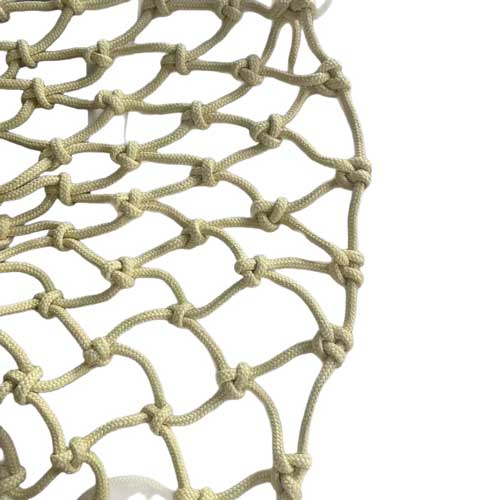
Aramid fiber is a synthetic, heat-resistant polymer known for its exceptional strength-to-weight ratio. In the aramid anti-drone net durability category, aramid nets excel because the fibers are five times stronger than steel on an equal-weight basis. Aramid does not rust, resists most chemicals, and maintains its mechanical properties across a wide temperature range. Its lightweight nature — roughly one-fifth the weight of steel wire — makes installation faster and reduces structural support requirements.
What Is Steel Wire?
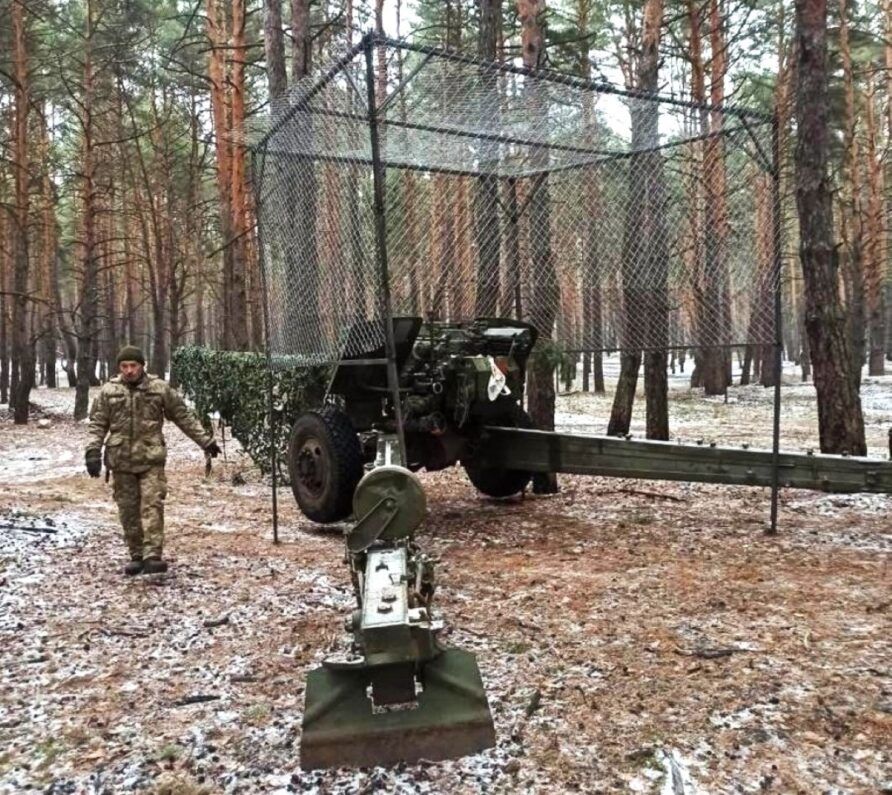
Steel wire anti-drone nets, typically made from stainless steel or galvanized steel, offer maximum cut resistance and structural rigidity. A stainless steel vs galvanized drone net comparison shows that stainless steel provides superior corrosion resistance for coastal installations, while galvanized steel offers a cost-effective option for inland sites. Steel nets are heavier and require more robust mounting infrastructure, but they deliver unmatched physical barrier strength against drones and debris.
What Is HDPE?
HDPE (high-density polyethylene) is a thermoplastic polymer widely used for outdoor netting applications. An HDPE vs aramid anti-drone net comparison reveals that HDPE is the most economical option with good UV stability and zero corrosion risk. HDPE nets are lightweight and flexible, though they lack the tensile strength and cut resistance of aramid or steel. They are best suited for low-threat environments where cost is the primary concern.
Aramid vs Steel Anti-Drone Net Comparison
When evaluating aramid vs steel anti-drone net comparison factors, several key differences emerge. The table below summarizes the most important performance attributes:
| Attribute | Aramid Fiber | Stainless Steel | Galvanized Steel |
|---|---|---|---|
| Weight (per m²) | ~200-400 g | ~800-1200 g | ~900-1300 g |
| Tensile Strength | 3,600 MPa | 500-700 MPa | 400-600 MPa |
| Cut Resistance | High | Very High | Very High |
| Corrosion Resistance | Excellent | Excellent | Moderate |
| UV Resistance | Good (with coating) | Excellent | Excellent |
| Flexibility | High | Low | Low |
| Installation Ease | Easy | Requires heavy support | Requires heavy support |
| Typical Lifespan | 8-12 years | 15-20 years | 8-12 years |
| Relative Cost | High | Medium-High | Medium |
Is aramid anti-drone net stronger than steel wire? On a weight-for-weight basis, yes — aramid fiber has a higher tensile strength than steel. However, steel wire offers superior absolute cut resistance. A steel net is harder to physically cut through with tools, while an aramid net is more likely to stretch and absorb impact energy without tearing. The choice depends on whether your primary threat is high-speed drone impact (aramid excels) or deliberate attempts to cut the net with tools (steel excels).
What are the pros and cons of aramid vs steel anti-drone nets? Aramid nets are lightweight, easy to install, and corrosion-proof, but they cost more upfront and have a shorter lifespan outdoors. Steel nets are extremely durable and cut-resistant, but they rust (if galvanized), add significant structural load, and require expensive mounting systems.
Material Strength and Durability
Material strength and durability determine how well an anti-drone net performs over its service life. Here is a closer look at three critical durability metrics.
Tensile Strength Comparison
Aramid fiber delivers a tensile strength of approximately 3,600 MPa, compared to 500-700 MPa for stainless steel and 400-600 MPa for galvanized steel. This means aramid is significantly stronger per unit of cross-section. For anti-drone netting, this translates to better energy absorption when a drone strikes the net at high speed. Aramid nets can catch and entangle heavier drones without tearing, whereas steel nets may deform permanently under extreme impact loads.
Abrasion and Cut Resistance
Steel wire offers superior cut resistance — a critical factor if the net must resist deliberate tampering with cutting tools. The aramid anti-drone net durability in abrasion is good, especially when the fibers are coated with protective layers. However, aramid can be cut more easily than steel with sharp implements. For perimeter security applications where tool attacks are a concern, steel or hybrid aramid-steel constructions provide the best defense.
UV and Weather Resistance
Stainless steel leads in UV resistance — it does not degrade from sunlight exposure at all. Galvanized steel also performs well, though the zinc coating may eventually wear off. Aramid fibers can suffer UV degradation over time, but modern anti-drone nets use UV-stabilized coatings that extend outdoor lifespan to 8-12 years. HDPE nets also include UV stabilizers but tend to become brittle faster than aramid or steel under constant sun exposure.
Cost Analysis: Aramid vs Steel vs HDPE
Which material is more cost-effective for anti-drone nets: aramid or steel? The answer depends on whether you evaluate upfront purchase cost or total cost of ownership (TCO).
Aramid fiber nets carry the highest per-square-meter price — typically 30-50% more than stainless steel and 60-80% more than galvanized steel. However, the lighter weight of aramid nets reduces transportation and installation costs significantly. Aramid nets can often be installed with lighter support structures and smaller crews, offsetting some of the material premium.
For HDPE vs aramid anti-drone net cost comparison, HDPE is the clear budget winner. HDPE nets cost roughly one-third of aramid and half of galvanized steel. However, HDPE nets typically need replacement every 4-6 years in outdoor installations, compared to 8-12 years for aramid and 15-20 years for stainless steel. Over a 20-year service period, the TCO of aramid and stainless steel often converges, while HDPE requires multiple replacement cycles.
The stainless steel vs galvanized drone net cost dynamic is simpler: galvanized steel is 20-30% cheaper upfront, but its shorter lifespan and corrosion risk in coastal environments mean stainless steel often wins on TCO for long-term deployments.
Weight and Installation Considerations
How do weight and installation differ between aramid and steel drone nets? Weight differences between these materials dramatically affect installation complexity.
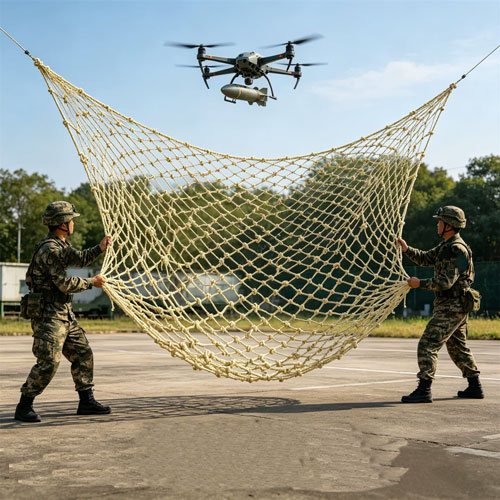
Aramid fiber nets weigh approximately 200-400 grams per square meter — comparable to heavy fabric. This lightweight construction means they can be suspended from existing structures, mounted on poles with minimal concrete foundations, or even deployed as temporary/portable barriers. Installation teams can handle large aramid net panels without mechanized lifting equipment.
Steel wire nets, by contrast, weigh 800-1,300 grams per square meter. A 10m × 10m steel panel can exceed 100 kg (220 lbs), requiring crane or hoist assistance during installation. The support structure must be engineered to handle the permanent dead load, which adds to both material and labor costs.
HDPE nets fall in between, at roughly 400-700 grams per square meter. They are manageable for installation but less flexible than aramid for complex geometries. When how to choose HDPE drone net installation is the question, the answer often depends on having adequate mounting points for the moderate weight.
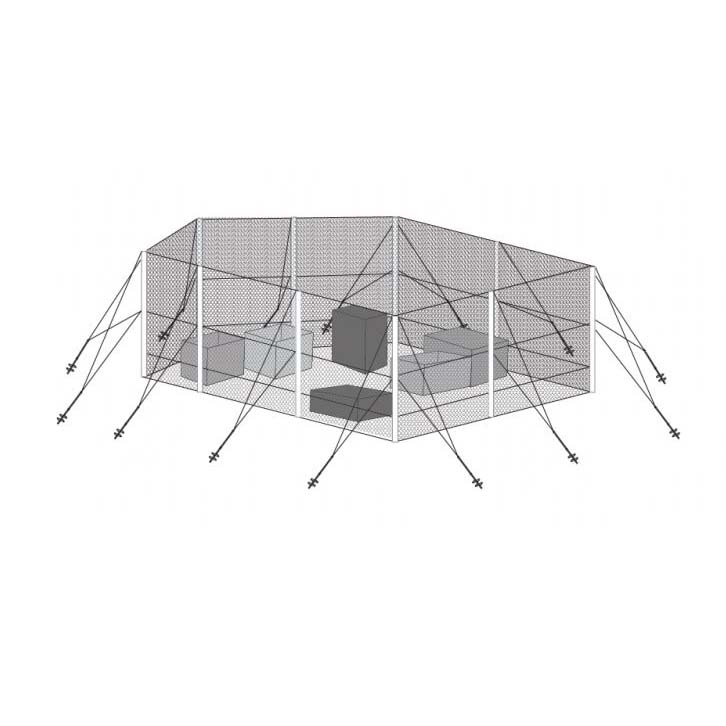
Another important consideration is sag and tensioning. Steel nets require precise tensioning to prevent sagging over time. Aramid nets, being lighter and more elastic, maintain their shape with less rigorous tensioning schedules.
Environmental Suitability
Which anti-drone net material is best for coastal/outdoor environments? Environmental conditions play a decisive role in material selection, especially for permanent outdoor installations.
Coastal and Marine Environments
For coastal sites within 5 km of saltwater, corrosion resistance is paramount. Aramid fiber excels here — it is inherently non-corrosive and unaffected by salt spray. Stainless steel (grade 316) also performs very well in coastal environments, though at a higher material cost than aramid for equivalent corrosion resistance. Galvanized steel is not recommended for coastal use, as salt exposure accelerates zinc depletion and leads to rust within 2-4 years. HDPE is also corrosion-proof but may become brittle from combined UV and salt exposure over time.
Extreme Temperature Performance
Aramid maintains its mechanical properties from -196°C to 300°C, making it suitable for both arctic and desert deployments. Steel expands and contracts with temperature changes, which can affect net tensioning over seasonal cycles. HDPE becomes brittle below -20°C and may soften in extreme heat above 60°C, limiting its use in harsh climates. For installations in the Middle East, northern Canada, or high-altitude sites, aramid or stainless steel are the preferred choices.
Humidity and precipitation also matter. Steel nets must be checked regularly for signs of corrosion, especially at connection points. Aramid and HDPE are not affected by humidity, giving them an advantage in tropical and monsoon-prone regions.
How to Choose the Right Anti-Drone Net Material
With three viable material options, selecting the right anti-drone net requires matching material properties to your specific threat profile, budget, and site conditions.
When to Choose Aramid
Choose aramid when weight savings and installation simplicity are top priorities. Aramid is ideal for rooftop installations, historic buildings where structural modifications are limited, and temporary deployments for events or VIP protection. If you need how to choose aramid anti-drone net guidance, prioritize aramid for sites with corrosive environments, limited load-bearing capacity, or requirements for rapid deployment. Understanding how to choose aramid anti-drone net options is especially important for coastal facilities where corrosion resistance matters most.
When to Choose Stainless Steel
Stainless steel is the right choice when maximum cut resistance and longevity are required. Perimeter fences at prisons, military bases, and high-security government facilities benefit from steel tamper resistance. When following how to choose stainless steel drone net best practices, select stainless steel for permanent installations where the supporting infrastructure can handle the weight and where the net will remain in place for 15+ years. Knowing how to choose stainless steel drone net configurations helps ensure your perimeter security investment delivers maximum return over its service life.
When to Choose HDPE
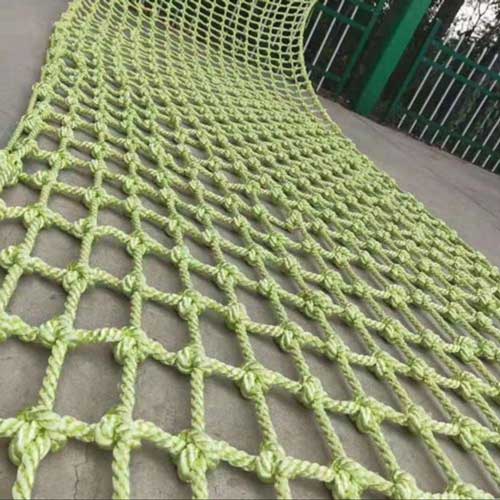
HDPE works well for low-budget projects, temporary barriers, and low-threat environments. If you are researching how to choose HDPE drone net options, consider HDPE for agricultural drone exclusion zones, short-term construction site protection, or as a perimeter demarcation net rather than a primary interdiction barrier. HDPE is also a good choice for large-area coverage where budget constraints make aramid or steel impractical.
Many sites benefit from hybrid solutions — for example, aramid nets for overhead drone catch areas combined with steel mesh at the lower perimeter for cut resistance. Consulting with an anti-drone netting specialist helps tailor the material choice to your exact requirements.
Conclusion
Choosing between aramid, steel, and HDPE for your anti-drone net is a multidimensional decision that balances strength, weight, cost, environmental durability, and installation complexity. This aramid vs steel anti-drone net comparison shows that no single material is best for every scenario.
- Aramid fiber offers the best strength-to-weight ratio, corrosion immunity, and ease of installation — ideal for sites where weight and deployment speed matter most.
- Stainless steel provides unmatched cut resistance and the longest service life — perfect for permanent high-security perimeters with adequate structural support.
- Galvanized steel balances cost and durability for inland installations where corrosion is not a primary concern.
- HDPE is the most budget-friendly option for low-threat applications, though it requires more frequent replacement.
When evaluating your options, consider not just the upfront material cost but the total cost of ownership over the expected service period, including installation, maintenance, and replacement. For critical infrastructure protection, the reliability of aramid or stainless steel typically justifies the higher initial investment. Contact our team for a customized recommendation based on your specific threat assessment and site conditions.